
We inspect the parts of the system we can reach and test on the day of the visit. We locate access points, record liquid and solids levels, check included pumps and alarms, and list anything we could not see. The report describes today’s findings; it does not promise how long buried soil will last.
We start with the permit plan
The permit plan may show tank capacity, design flow, field type, replacement area, pump chamber, and required maintenance. We compare that plan with the number of bedrooms and current use. Vermont treats a move from seasonal to year-round occupancy as a change in use, and other increases can affect design flow. We record discrepancies; a designer decides whether they require permit work.
What we open and check
We can locate lids, observe liquid level, measure sludge and scum, inspect visible baffles and filters, and note leaks, cracks, or unsafe covers. Pump chambers add floats, pump operation, alarms, and check valves to the list. We may include distribution boxes or field ports when they are accessible and part of the agreed work. The report separates what we saw from what the owner told us.
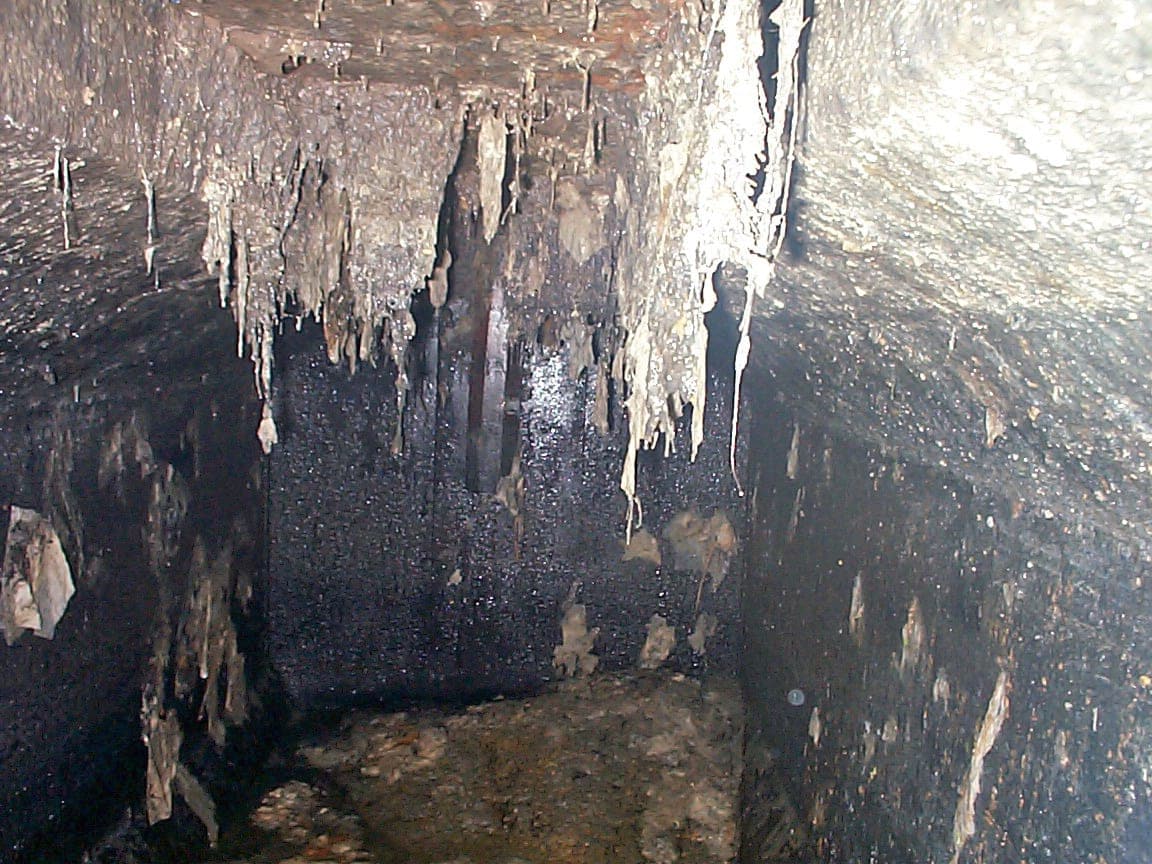
Tank level tells us where to look next
A tank level well above its outlet can point to a downstream restriction. A low level may suggest a tank leak. Backflow after pumping may show groundwater entry or a saturated downstream part. No single reading names the final repair, but each one changes the next test. We record the time and weather with the reading.
An inspection is not a permit approval
A Vermont wastewater designer prepares permit application plans. DEC or a currently delegated municipality makes permit decisions. We can report maintenance needs and what we found in the field, but we cannot turn a service visit into agency approval. If a lender, buyer, or town wants a particular form, confirm the required inspector qualification and test before booking.
When a full system inspection is unnecessary
Routine pumping may be enough when the owner has a current permit plan, a stable service history, no operational concern, and only needs solids removed. A plumbing inspection is a better first step when one fixture is affected and the tank level is normal. A pump technician belongs on a recent-service alarm call. Match the visit to the unresolved question rather than ordering every available test.
What belongs in the report
A useful report lists the property and weather, a system sketch, parts observed, measurements, tests, limits, photographs, maintenance findings, and recommendations by urgency. DEC’s inspection guideline calls for concise language that an owner and contractor can understand. Save the report with the permit and pumping receipts so the next crew knows what was found.