We pump Westford tanks on rural roads where long drives, buried lids, snow, and soft spring ground can change the job. Town Center wastewater is still a planning discussion, not an operating townwide sewer. Your permit and service records show what the property uses.
Tell us about the drive and turnaround
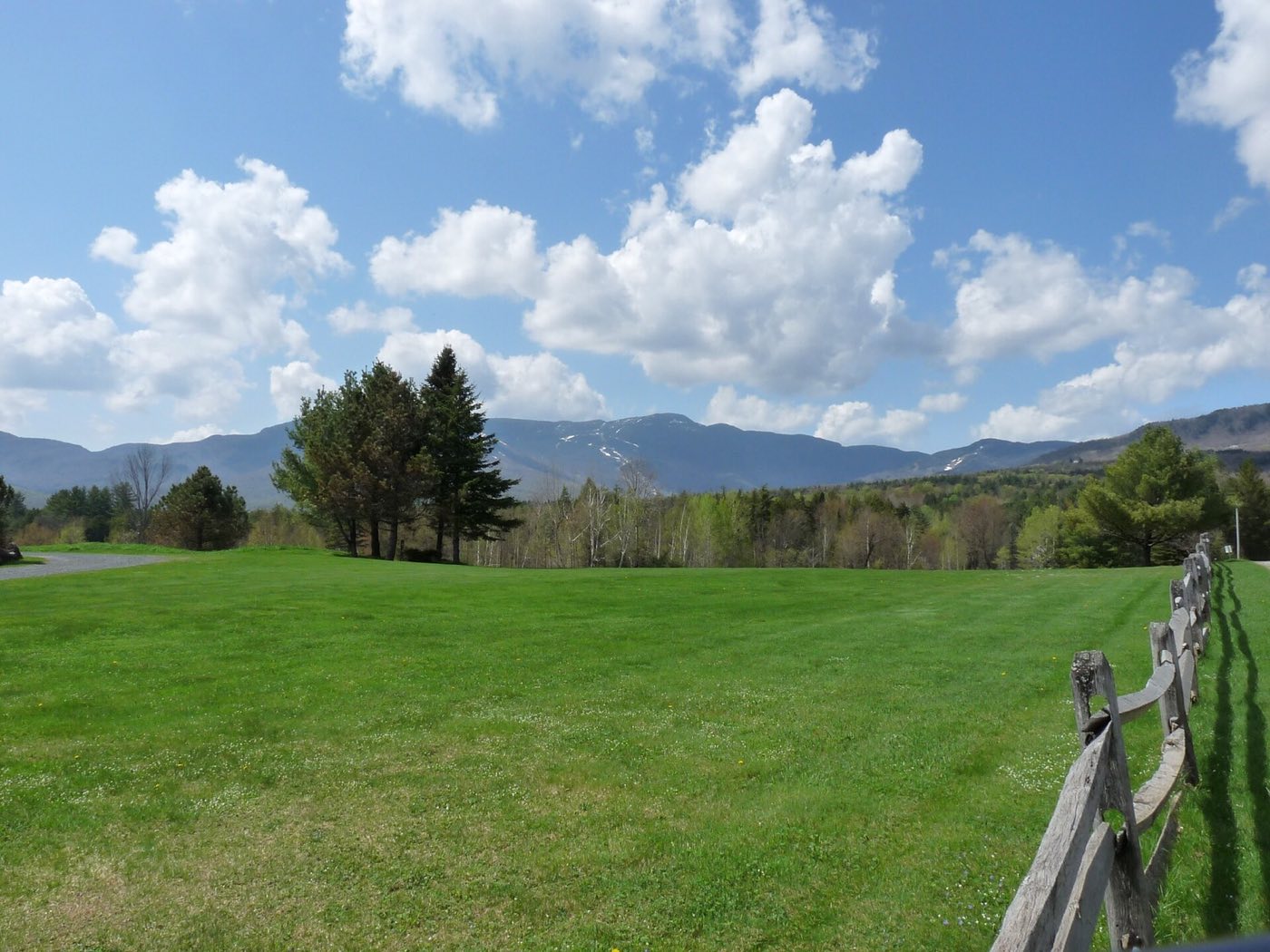
Tell us about long private drives, seasonal roads, narrow turnarounds, gates, soft shoulders, and hose distance. A vacuum truck needs firm ground and room to leave. We will not take the shortest line across the lawn when it crosses a mound, field, or replacement area.
We can locate a buried tank lid
A property with no riser can hide its lid under soil, landscaping, or snow. Old receipts, owner sketches, careful probing, and permit records can reduce unnecessary digging. Once found, a safe riser may simplify future service, but its connection and cover must keep out water and prevent unauthorized entry.
Mounds add a second operating level
The settling tank holds solids while the pump chamber sends clarified effluent to the mound. A high level in one compartment does not describe the other. Report which alarm is lit and whether the pump runs. Pumping the solids side remains maintenance; diagnosing controls and pressure distribution is additional work.
Spring mud can keep the truck on the road
Spring access can be harder than the pumping. We keep the truck on gravel or pavement and avoid ruts near the field. Move clean runoff away and cut indoor flow if the system is slow. We compare a wet low spot with tank level, odor, field location, and household use before calling it sewage.
Permit and community planning are separate
A future Town Center project does not authorize changes to an individual system. Physical replacement or modification follows the current Vermont rules, with a designer and DEC review as required. The Essex regional office serves Chittenden County. Westford controls local planning and will announce any community project through its own process.