
We serve Hinesburg septic properties outside the village wastewater area. The Town water system reaches farther than the sewer, so a water bill alone does not tell us what the house uses. We confirm the address, tank layout, and access before sending a truck.
Check the sewer map before you book
Start with the property address and the Town service-area map. A village parcel may use sewer while a nearby rural road has a tank and field. Sending a septic truck to a sewer blockage wastes time, and municipal water does not automatically mean sewer. Hinesburg Public Works and the property records can confirm the connection.
Mounds and pump chambers are common outside the village
Variable terrain and soil limits can lead to mounds, at-grade fields, and pump chambers. Mark all access points and alarm equipment. If the alarm is active, cut water use and tell us whether the pump has power. The settling tank may need pumping, but the dosing trouble still needs its own test.
Spring work must protect wet soil
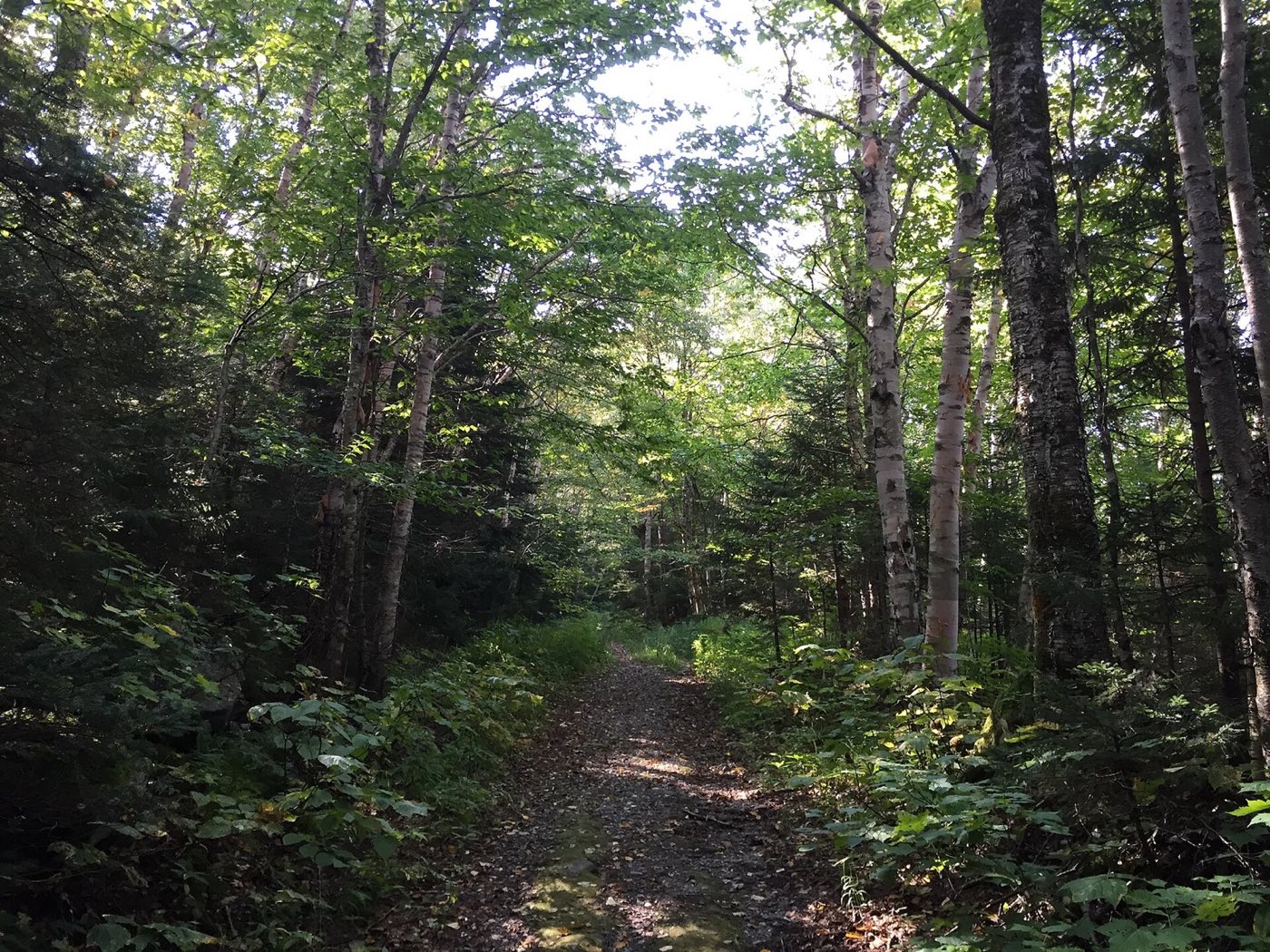
Hinesburg’s fields and low areas can stay soft during thaw and rain. Vermont’s construction rules avoid field work when soil moisture is high enough to smear and compact it. Keep the vacuum truck on the drive and use hose length. Route roof and sump water away from the treatment area before deciding the field itself is defective.
Repairs follow the permit plan
A filter cleaning, safe lid replacement, or pump diagnosis may be a limited service. Relocating the field, changing system type, or replacing a failed system enters the designer and permit process. The DEC Essex regional office answers Chittenden County rule questions, while Hinesburg controls its municipal utility connections and local land-use approvals.
Get the lids and driveway ready
Find the plan, mark the lids, clear a walking path, and note gate, driveway, and hose conditions. Tell us whether every fixture is slow, whether the problem follows wet weather, and whether the alarm light is on. Those details help separate a full tank, plumbing blockage, pump trouble, and saturated soil.